


 United States
 United Kingdom
 Brazil
 Australia























































Publicly Traded Sports Teams: Which Clubs Have Listed Shares
By Wes Burns · Published 22 Jun 2016 · Updated 6 Oct 2026
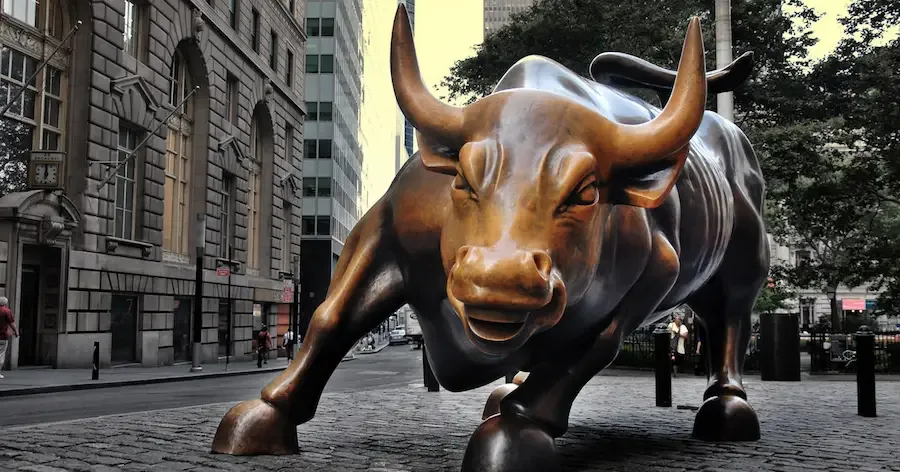
Image credit: Sam Valadi
A small number of professional sports clubs are listed on public stock exchanges, which means anyone with a brokerage account can own a piece of one. It is an unusual corner of sport, and this page is simply a record of who is listed and where.
What this page is not. It is not investment advice, and it does not compare buying shares with betting. An earlier version of this article did both — it totted up what £100 in each club would have returned and concluded that readers would do better in an index fund. That is financial advice, we are not licensed to give it, and it has been removed rather than updated.
Sports Clubs With Publicly Traded Shares
The clubs below have had publicly traded shares at some point. This list dates from when the article was first written, around a decade ago, and has not been re-verified since, and listings change: at least one club on this list has since left the exchange it was on, and others have restructured. So the names are given without exchanges or tickers: which market a club trades on, and whether it still trades at all, is exactly what has moved, and the club's own investor-relations page is where to check it.
Football
A.S. Roma
Juventus
S.S. Lazio
Borussia Dortmund
Manchester United
Celtic F.C.
S.L. Benfica
F.C. Porto
Sporting CP
AFC Ajax
F.C. Copenhagen, through Parken Sport & Entertainment
North American clubs, held inside larger companies
New York Knicks and New York Rangers — through Madison Square Garden Sports
Toronto Maple Leafs, Raptors and Toronto FC — indirectly, through the owners of Maple Leaf Sports & Entertainment
Toronto Blue Jays — indirectly, through Rogers Communications
The Atlanta Braves are also listed, as a standalone company rather than inside a larger one.
Rugby league
Brisbane Broncos
The Green Bay Packers Are the Exception
Green Bay Packers "stock" is the one most people have heard of and the one that is not really stock at all. It is not traded on any exchange, cannot be sold on for more than face value, pays no dividend and carries no meaningful economic interest. What it buys is the right to say you are an owner, and a certificate. The club has sold it on a handful of occasions, mostly to raise money — several times to keep the team solvent, and later to fund work at Lambeau Field.
What Owning a Share in a Club Actually Is
Two things are worth understanding before reading too much into any of the above.
Most of these are not really a bet on the team. Where a club sits inside a larger company — Madison Square Garden, a telecoms group, a stadium-and-leisure business — you are buying that whole company, of which the team is one part. Several of the North American entries above are that rather than a club holding.
And a free float can be small. At some listed clubs the great majority of shares stay with the founding association or a controlling owner, so the publicly traded portion is a minority stake with little influence over anything.
If you want the current price, market capitalisation or free float for any of these, the exchange's own listing page and the club's investor-relations pages are the only sources worth using — and they are the places to check whether a club on this list is still listed at all.